Navigating Caps and Limits: How Stockholm Players Adjust in Regulated Casino Environments
Skriven av Ulrich Werner · 2026-10-04
Navigating Caps and Limits: How Stockholm Players Adjust in Regulated Casino Environments
Stockholm's regulated casino venues operate under frameworks established by Swedish authorities that impose specific caps on welcome bonuses and ongoing promotions while setting maximum bet limits at live dealer tables, and players respond to these rules through documented adjustments in their approach to bankroll management and game selection.
According to records from Spelinspektionen, the national gaming regulator, bonus structures in licensed establishments remain restricted to prevent excessive incentives, with many venues capping initial deposit matches at levels that align with responsible gaming guidelines, and this environment has prompted shifts in how participants allocate funds across sessions.
Bonus Structures and Player Responses
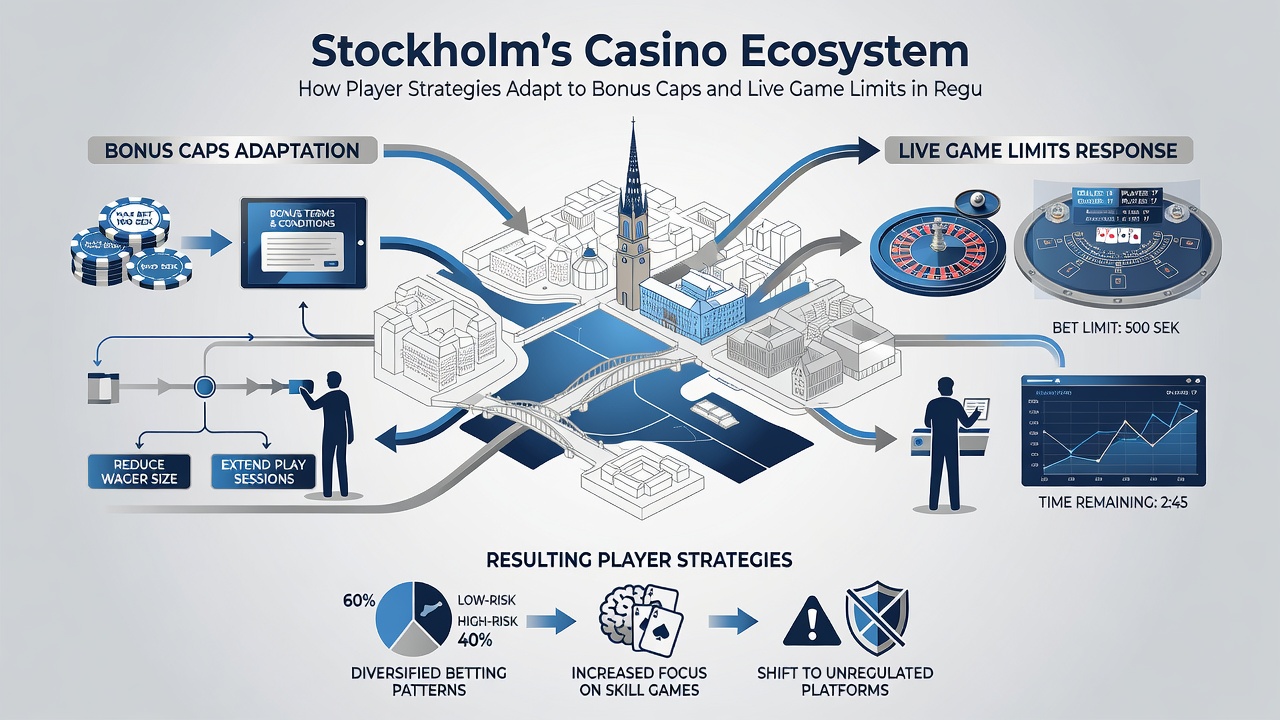
Research from industry reports shows that bonus caps in Stockholm locations typically limit free spin quantities and match percentages, leading participants to favor venues that offer consistent reload promotions instead of one-time large offers, while those who study the rules often combine smaller bonuses with cashback features to extend playtime without exceeding thresholds.
Data indicates that many players now track their bonus usage through detailed spreadsheets, timing deposits to coincide with weekly promotions that fall under the caps, and this methodical tracking helps maintain compliance while maximizing available value across multiple sites.
Live Game Limits and Table Adjustments
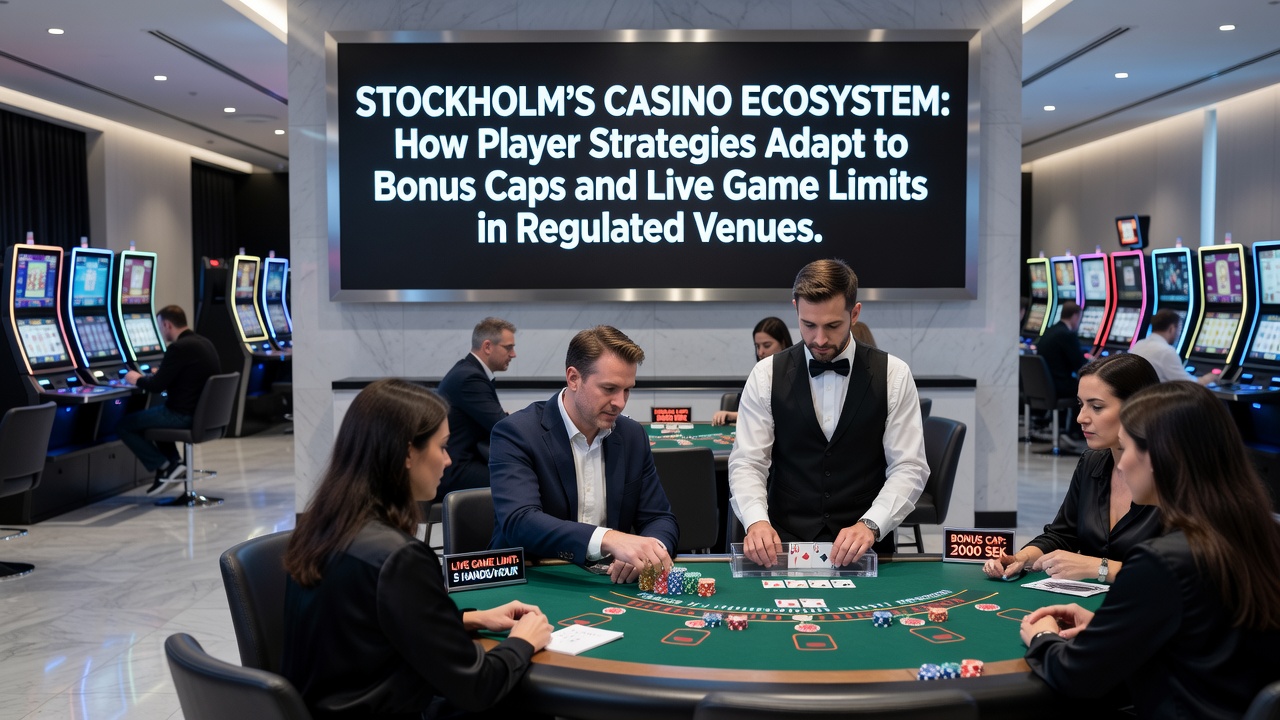
Live dealer tables in regulated Stockholm casinos feature bet minimums and maximums enforced to align with licensing conditions, with roulette and blackjack tables commonly capping individual wagers at amounts that vary by time of day and table occupancy, and observers note that participants adapt by rotating between tables to find optimal limit ranges that match their session budgets.
Figures from venue reports reveal increased interest in side bets and multi-hand options at lower-stake tables, where limits allow for controlled exposure, and players frequently form small groups to share information on which tables currently offer favorable maximums during peak evening hours in October 2026.
Strategic Shifts in Game Selection
Those who've studied player patterns report a noticeable movement toward live games with built-in betting progressions that stay within daily caps, such as gradual increases on even-money bets in roulette, and this approach allows sessions to continue longer without triggering table restrictions that reset after certain thresholds.
Industry data from teh European Gaming and Betting Association highlights how participants in Swedish venues increasingly incorporate break periods between live table rounds to reassess their remaining bonus eligibility and table limit compliance, creating a rhythm that integrates regulatory awareness directly into gameplay decisions.
Bankroll Management Techniques
Evidence from multiple venue analyses demonstrates that players divide their funds into smaller portions dedicated to specific game types, ensuring that bonus caps do not force premature session endings, and this segmentation also helps navigate live game maximums by reserving portions for tables with higher limits later in the evening.
Records show growing use of digital tools provided by licensed operators that display real-time bonus usage and current table limits, allowing quick decisions on whether to switch games or wait for limit resets without violating any terms.
Regulatory Context in Late 2026
As of October 2026, updates to Swedish gaming rules have refined how bonus caps interact with live game participation, requiring venues to display clear information on both elements at the point of play, and this transparency has led to more precise adaptations where participants plan multi-venue visits to balance capped promotions with varying table restrictions across different licensed sites.
Studies conducted by academic researchers at Swedish institutions confirm that these combined constraints encourage diversified play across both online and physical regulated environments, with emphasis on games that offer steady returns within the established parameters rather than high-variance options that might exceed limits quickly.
Conclusion
Stockholm's casino ecosystem continues to evolve under these regulatory measures, with player strategies centering on careful monitoring of bonus caps and live game limits to sustain engagement across sessions, and available data from government and industry sources underscores consistent patterns of adaptation that prioritize compliance alongside extended participation in licensed venues.