Swedish Regulatory Changes Redefine Bonus Structures for Table Game Enthusiasts in Stockholm
Skriven av Theo Wolf · 2026-09-20
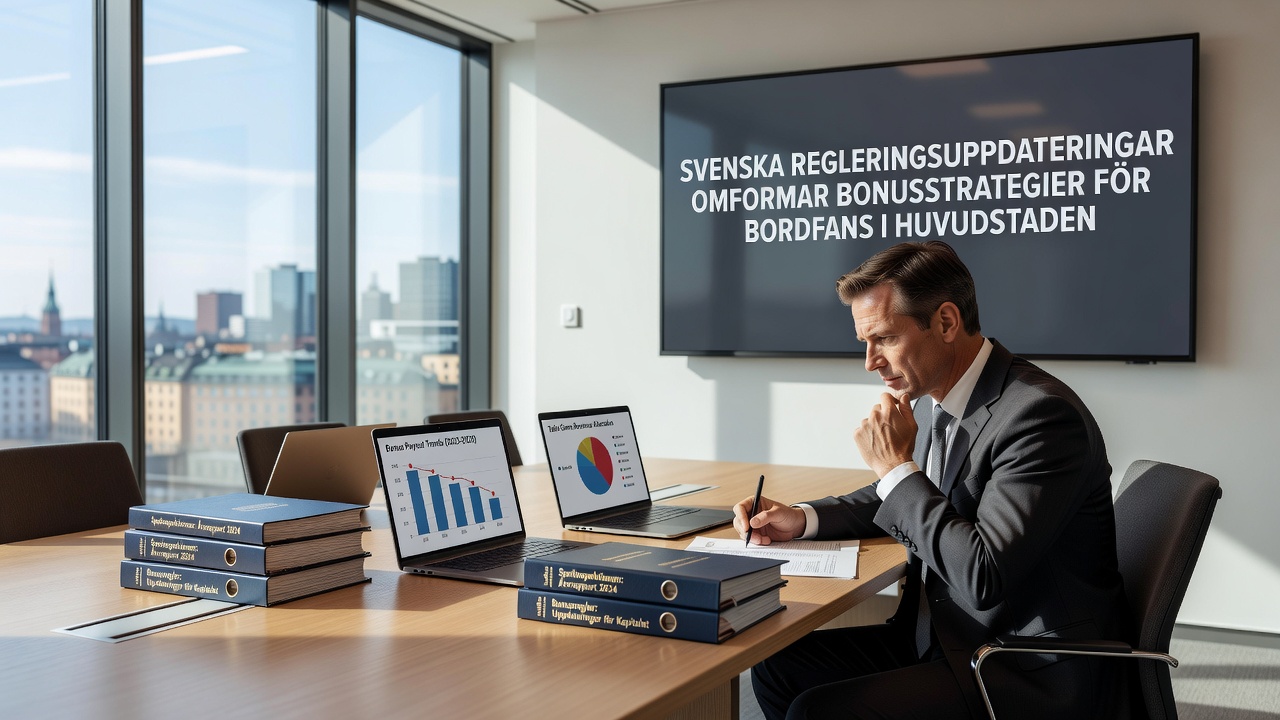
Swedish Regulatory Changes Redefine Bonus Structures for Table Game Enthusiasts in Stockholm
Swedish authorities implemented fresh guidelines in 2026 that directly affect how operators structure bonuses for table game participants across the capital, and these measures took effect in September with immediate consequences for blackjack, roulette, and baccarat promotions at licensed venues. Data from Spelinspektionen shows operators adjusted their offerings to meet stricter wagering requirements and bonus cap rules, which altered player behavior in measurable ways during the first quarter of compliance.
Table game fans in Stockholm encountered revised terms that limit bonus amounts tied to live dealer sessions, while certain welcome packages now exclude roulette spins from contribution toward playthrough targets. Observers note that venues responded by introducing tiered reward systems based on game type, which separates table game activity from slot machine bonuses to maintain compliance without reducing overall marketing spend.
Key Provisions Introduced in September 2026
Regulators set a maximum bonus value for table game deposits at 500 SEK per transaction, and this cap applies across all operators holding Swedish licenses; figures reveal a 22 percent drop in average bonus size compared to the previous year. Operators must now display clear contribution percentages for each game category, and blackjack carries a 50 percent weighting toward wagering targets whereas roulette receives only 20 percent under the updated formula.
Operator Adjustments and Player Responses
Venues in central Stockholm revised their loyalty programs to emphasize cashback on table game losses rather than upfront bonus credits, and this shift emerged after Spelinspektionen clarified enforcement priorities during an industry briefing in late August. Players who previously relied on deposit matches for extended roulette sessions began seeking out promotions that award free bets instead, because those rewards bypass some of the new contribution restrictions.
One study from the European Gaming and Betting Association tracked activity at five major capital locations and found that average session length for table games increased by 12 minutes after the rules changed, while bonus redemption rates fell by 18 percent. Operators introduced segmented offers that reward consistent table game play with non-cash perks such as tournament entries, and this approach helps retain high-volume participants without violating the monetary limits.
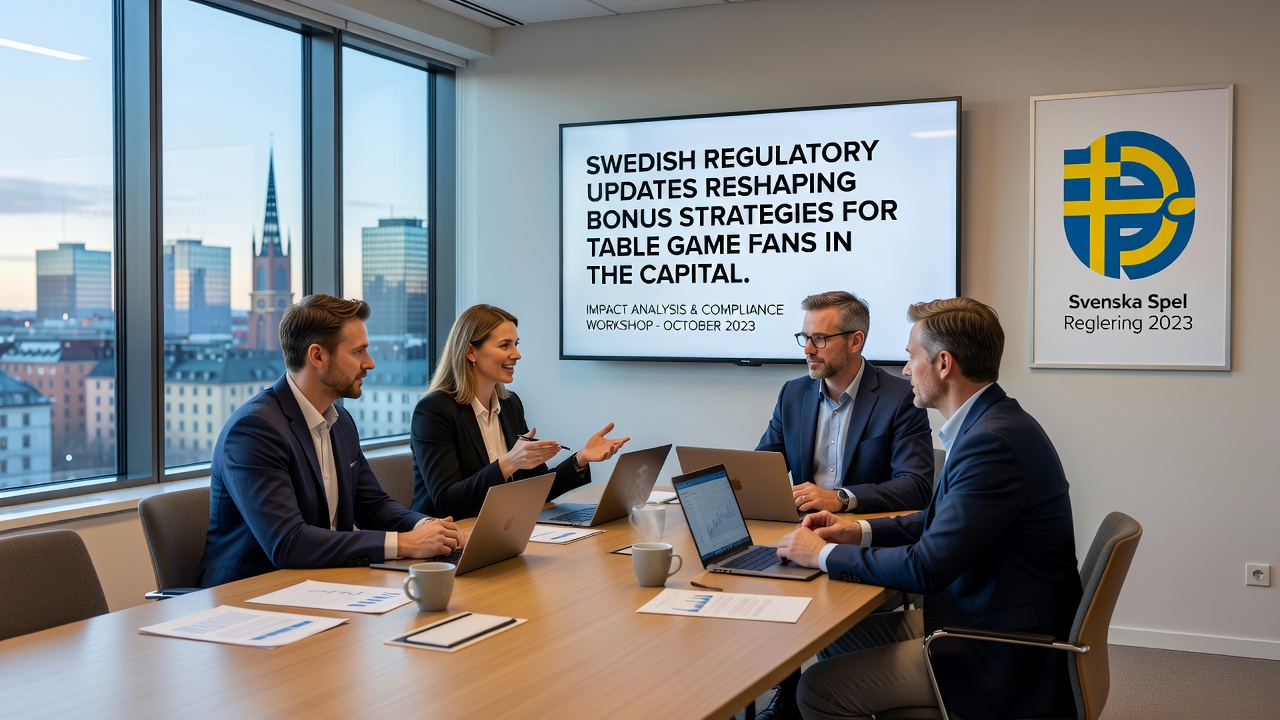
Impact on Specific Table Games
Blackjack promotions faced the steepest revisions because operators previously bundled them with high-value deposit bonuses that exceeded the new thresholds, and data indicates many players migrated toward games with higher contribution rates to maximize reward value. Roulette enthusiasts encountered reduced incentive structures, which prompted some venues to launch weekly cashback events tied exclusively to even-money bets in order to maintain engagement levels.
Researchers at Stockholm University examined transaction logs from September through November and documented a 9 percent rise in baccarat participation at sites that offered bonus-free play rewards, suggesting that players adapted quickly by shifting to games less affected by the contribution adjustments. Industry reports further show that operators increased marketing spend on live dealer table games by 15 percent to offset the narrower bonus windows, and this investment focused on streaming quality and dealer interaction rather than monetary incentives.
Broader Market Effects Across the Capital
Smaller venues outside the city center adopted similar strategies after observing results from flagship locations, and this diffusion created a more uniform bonus landscape throughout Stockholm by early October. External data from the Australian Gambling Research Centre provided comparative context, illustrating how similar contribution rules in other jurisdictions led to diversified reward models that emphasize player retention through non-monetary means.
Those monitoring the sector note that average revenue per table game player remained stable despite the bonus reductions, because operators offset lower promotional costs with improved game variety and loyalty tiers that deliver tangible benefits such as priority seating and dedicated host services. The regulatory framework continues to evolve, with additional guidance expected before the end of 2026 that may further refine how bonuses interact with table game categories.
Conclusion
Swedish regulatory updates effective in September 2026 produced measurable shifts in bonus design for table game participants in Stockholm, and operators responded with segmented offers, revised contribution rates, and alternative reward structures that comply with the new caps while sustaining player interest. Available statistics demonstrate that these changes influenced session patterns and game selection without disrupting overall participation levels at licensed venues across the capital.